
The Gate Where a Priest's Heart Gave Out, and Why It Just Reappeared

 Written by Kingdom Kutz Media
Picture an old man sitting alone by a city gate. He's blind, or close to it. He can't fight anymore, can't ride out to the battlefield himself, so all he can do is sit by the road and wait for someone to come tell him what happened. Hours pass. Then a runner appears, torn clothes, dust on his head, the universal signal in that world that the news is bad.
The old man's name was Eli. He'd led Israel for forty years. And the moment the runner told him the Ark of God had been captured by the Philistines, Eli fell backward off his seat, broke his neck, and died right there by the gate.
"And it came to pass, when he made mention of the ark of God, that he fell from off the seat backward by the side of the gate, and his neck brake, and he died: for he was an old man, and heavy. And he had judged Israel forty years."
1 Samuel 4:18 (KJV)
The City Behind the Story
That gate belonged to a real place: Shiloh, the town that held the tabernacle and the Ark of the Covenant for more than three hundred years before either one ever reached Jerusalem. Long before David, long before the temple, Shiloh was the center of it all.
Then came the battle that never should have happened the way it did. Israel's army, losing badly against the Philistines, made the call to carry the Ark itself onto the battlefield, treating it like a weapon instead of trusting the God who gave it. The plan failed. The Ark was taken. Eli's own two sons died in the fighting. And the news raced back to Shiloh faster than anyone wanted it to.
What Archaeologists Found in 2026
Here's the part that makes this old story suddenly feel current: this year, a team from Associates for Biblical Research wrapped up their eighth excavation season at the actual site of ancient Shiloh, and three things came out of the ground worth paying attention to.
- The southern wall of a large building, shaped and oriented the way Exodus describes the tabernacle.
- New sections of a gate on the city's north side, confirmed as a bent-axis design, built with side rooms rather than a straight passage through the wall.
- Older storage jars beneath both, still holding charred grain from a layer older than this story.
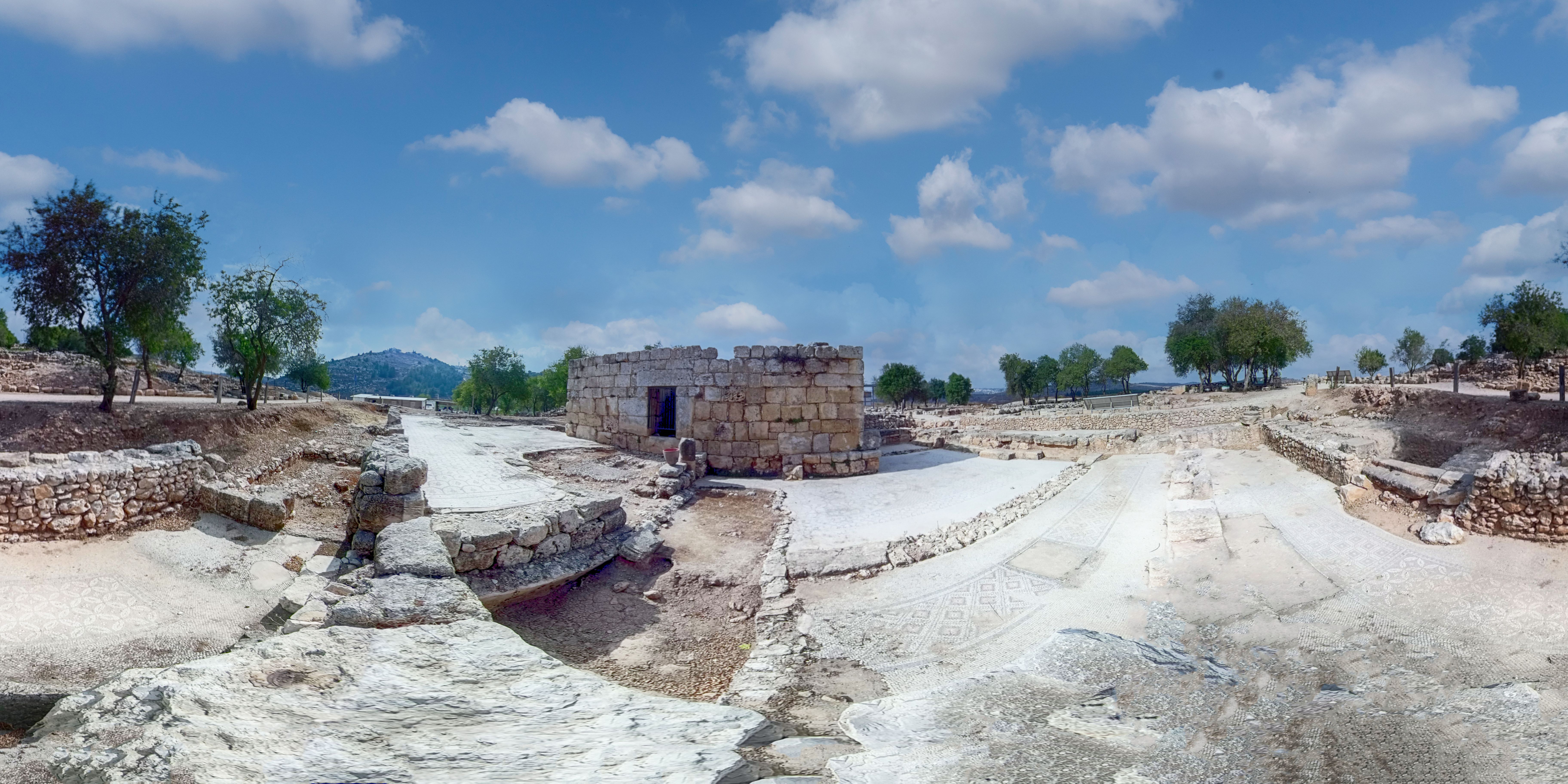
Photo: Zeev Stein, CC BY 2.5, via Wikimedia Commons.
A bent-axis gate with side rooms is a place built for someone to actually sit for a while. It's not hard to picture an old, tired priest doing exactly that.
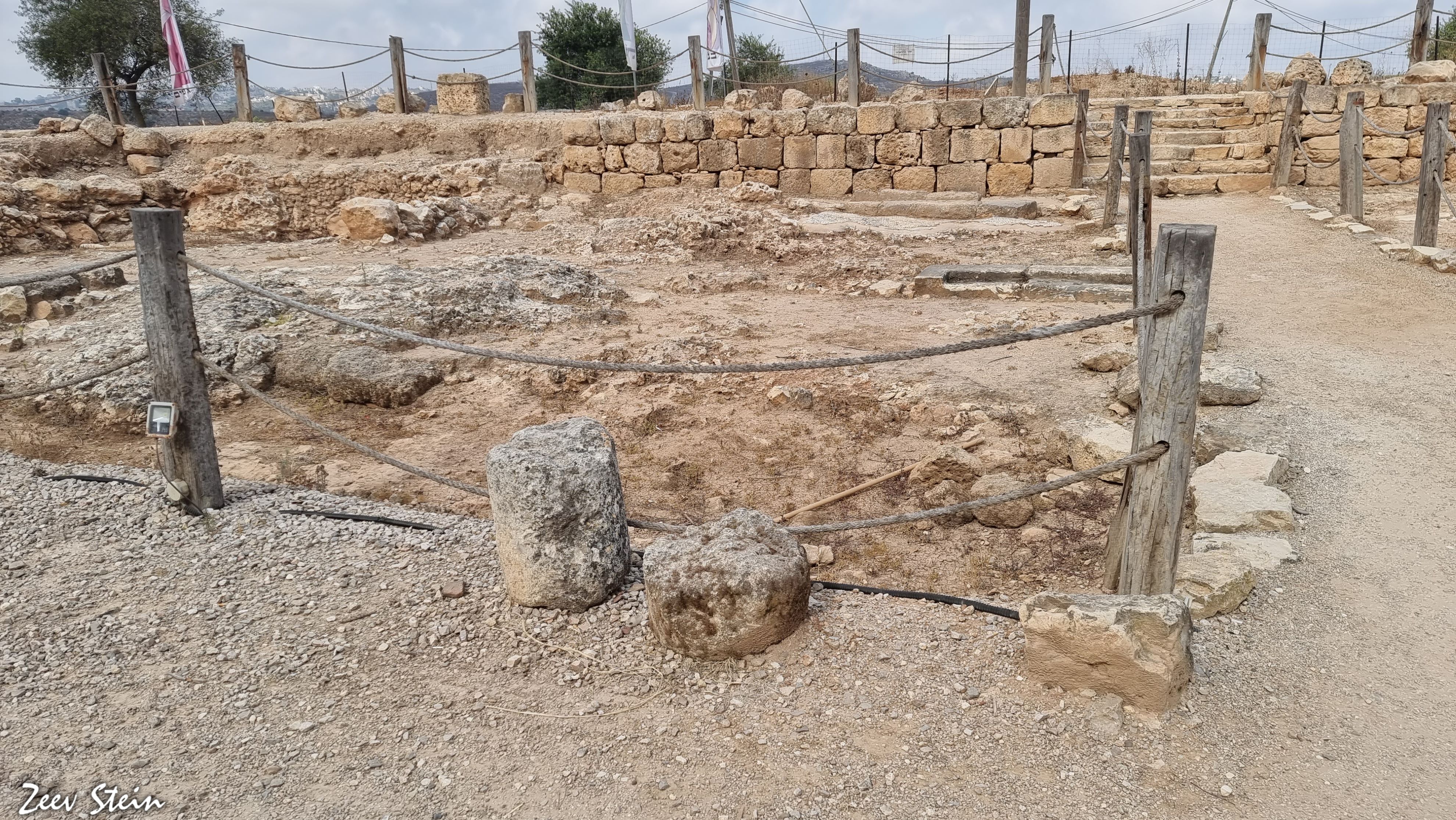
Photo: Zeev Stein, CC BY 2.5, via Wikimedia Commons.
What Nobody's Claiming
No one recovered the Ark itself, and the team digging at Shiloh isn't saying otherwise. Scripture already tells you why it was never going to turn up there anyway: the Philistines carried it away, and it never came back to Shiloh. Not every archaeologist agrees on how far these findings go either. That's a healthy, honest disagreement, not a scandal.
What's real is a building and a gate, dated and sitting close to where an ancient text placed them, still being uncovered this year rather than decades ago.
Key Takeaways
- Shiloh held the tabernacle and the Ark for over 300 years before either reached Jerusalem.
- A 2026 dig confirmed a tabernacle-shaped building and a bent-axis gate matching the setting of 1 Samuel 4.
- No artifact recovered is the Ark itself, and the research team has not claimed otherwise.
- Some archaeologists dispute how much these finds prove, and that debate is ongoing.
Read the full report, with all sources and photos from the actual dig site: A 2026 Dig at Shiloh Confirmed the Gate Where Eli the Priest Died, on kingdomkutzmedia.org.
If these stories strengthen your faith, help us keep making them.
Support Our Work


Comments
Post a Comment