
What Happened the Moment Jesus Died on the Cross?
What Happened the Moment Jesus Died on the Cross?
The moment the cross looked like defeat, heaven and earth began to testify.

👉 Watch the Animated Story here 👈
👉 Listen to the Audio Podcast here 👈
The sky had already gone dark…
Jesus hung between heaven and earth, lifted on a Roman cross, mocked by men, abandoned by many, and carrying a weight no human soul could survive.
To the crowd, it may have looked like another execution. To the soldiers, it may have looked like Rome had finished its work. To His enemies, it may have looked like silence had finally swallowed the voice they could not control.
But when Jesus breathed His last, the world did not stay quiet.
"And Jesus cried out again with a loud voice, and yielded up His spirit. Then, behold, the veil of the temple was torn in two from top to bottom; and the earth quaked, and the rocks were split." — Matthew 27:50–51, NKJV
The death of Jesus was not the collapse of hope. It was the moment redemption broke into history with such force that darkness covered the land, the temple veil tore open, the earth shook, graves opened, and even a Roman centurion was left trembling before the truth.
The Cross Was Not Just Another Execution
Rome knew how to kill. Crucifixion was meant to be slow, public, and humiliating, designed to crush the body and warn the watching world not to resist Roman power.
But Jesus was not dying because Rome had overpowered Him. He had already said that no one took His life from Him — He laid it down willingly. The cross was not an accident, and it was not a tragedy outside the plan of God. It was the place where the righteous One stood in the place of the unrighteous.
"For Christ also suffered once for sins, the just for the unjust, that He might bring us to God." — 1 Peter 3:18, NKJV
That is why this death was unlike any death before it. A thousand sinners could not pay the price for one soul, but one sinless Savior could bear the sins of the world.
At Calvary, Jesus was not merely suffering under human cruelty. He was offering Himself as the Lamb of God, bearing judgment, opening mercy, and accomplishing what no priest, prophet, king, or sacrifice could ever finish.
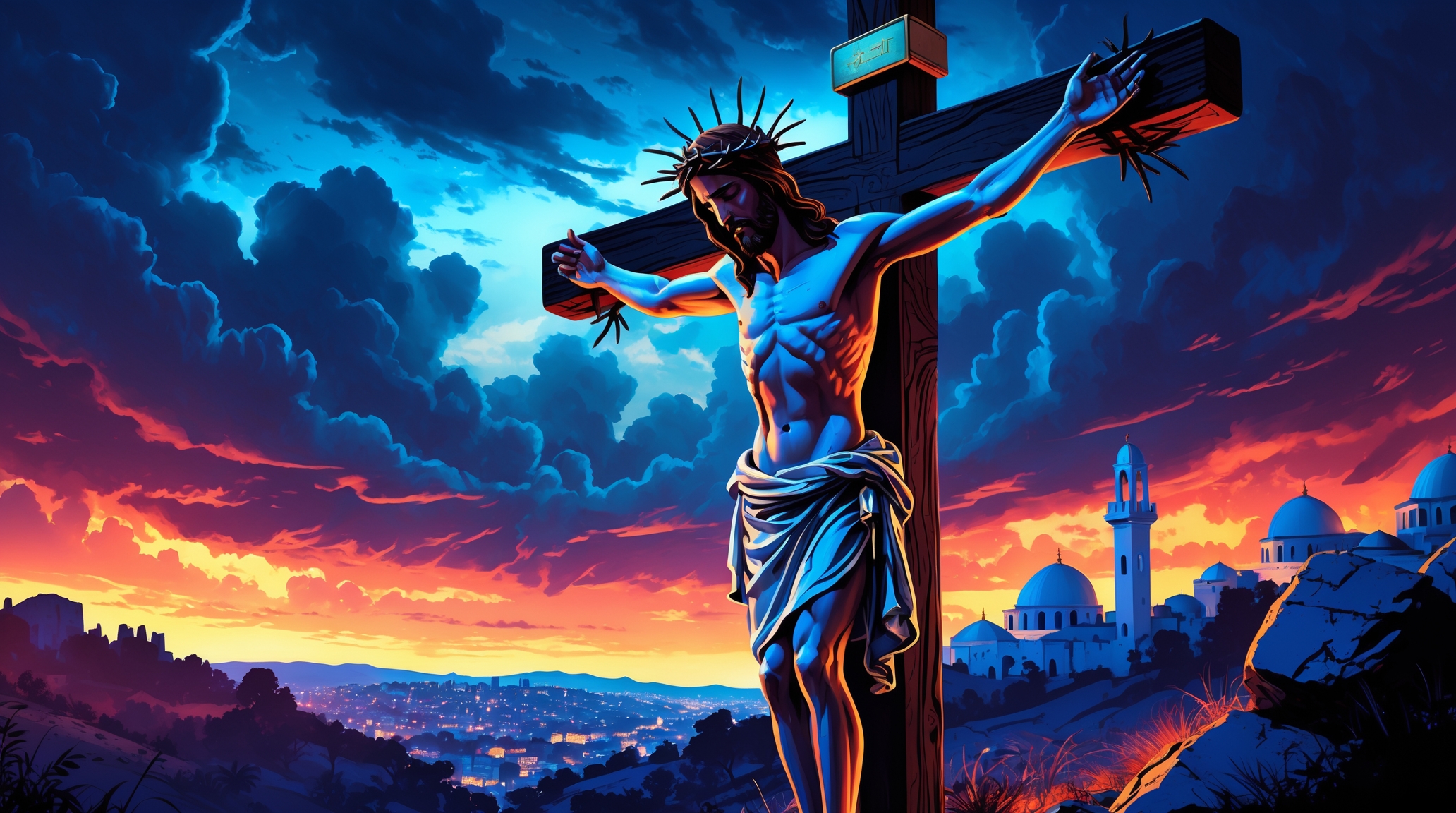
When Jesus breathed His last, the sky darkened, the earth shook, and the cross became the place where redemption was won.
Darkness Covered the Land
From noon until three in the afternoon, darkness covered the land. This was not how the day was supposed to look. The sun should have stood high over Jerusalem, the city bright with Passover activity. But over the cross, the light faded.
"Now from the sixth hour until the ninth hour there was darkness over all the land." — Matthew 27:45, NKJV
The darkness was more than atmosphere. Throughout Scripture, darkness often carries the weight of judgment. In Egypt, darkness fell before the final plague. The prophets used darkness to describe the day of the Lord, a day when God would confront sin and rebellion.
Now darkness covered the land again. But this time, judgment was not falling on Egypt, on Rome, or on the crowd shouting against Jesus. It was falling upon the sinless Son of God, who had taken the place of sinners.
The Light of the world hung beneath a darkened sky. The One who opened blind eyes now gave Himself beneath a covering of judgment. The One who spoke creation into being now suffered in the silence of a cursed tree. That darkness preached without words. Sin was being judged. The price was being paid. The cross was not weakness — it was holy love absorbing wrath so mercy could reach the guilty.
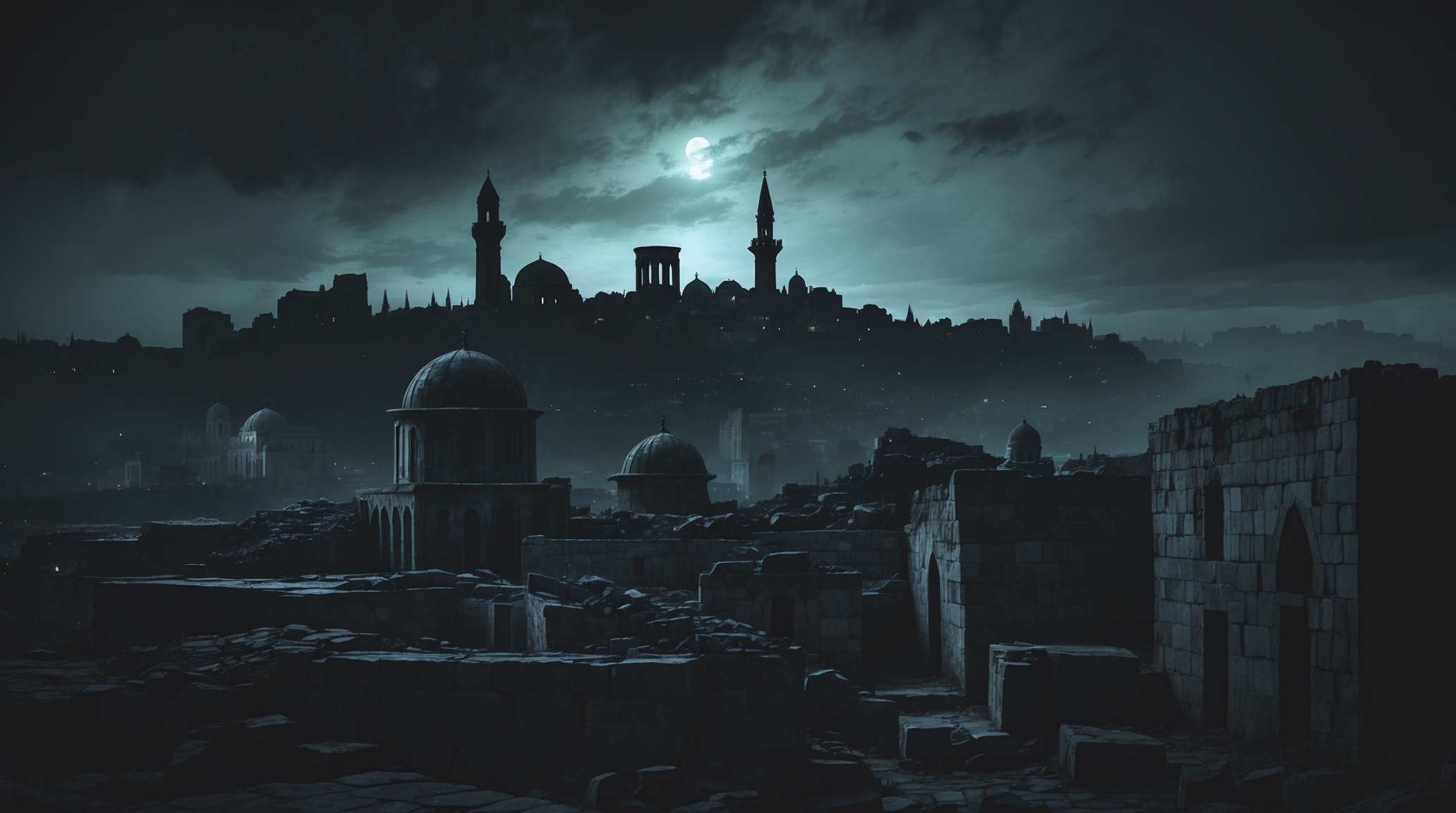
Darkness covered the land as Jesus hung on the cross, declaring that the weight of sin and judgment was being carried at Calvary.
The Temple Veil Was Torn
Then the temple veil tore in two. This was one of the most shocking signs recorded in the death of Jesus. The veil separated the Holy Place from the Most Holy Place, the sacred inner room associated with the presence of God under the old covenant.
That veil stood as a boundary. It said that sinful humanity could not casually walk into the holy presence of God — that access required sacrifice, that a mediator was needed. Under the old covenant, only the high priest entered the Most Holy Place, and only at the appointed time with blood.
But when Jesus died, the veil was torn from top to bottom. Not from bottom to top, as though man had reached up toward God, but from top to bottom, as though God Himself had opened the way.
The message was clear. The barrier of separation had been dealt with. The perfect sacrifice had been offered. The blood of Jesus had opened what human effort could never open.
"Therefore, brethren, having boldness to enter the Holiest by the blood of Jesus, by a new and living way which He consecrated for us, through the veil, that is, His flesh." — Hebrews 10:19–20, NKJV
The torn veil was not just a miracle inside a building. It was an announcement. Access to God was no longer limited to one priest, one day, behind one curtain. Through Jesus Christ, sinners could be forgiven, cleansed, reconciled, and brought near. The cross did not simply show that God loved the world — it opened the way back to Him.
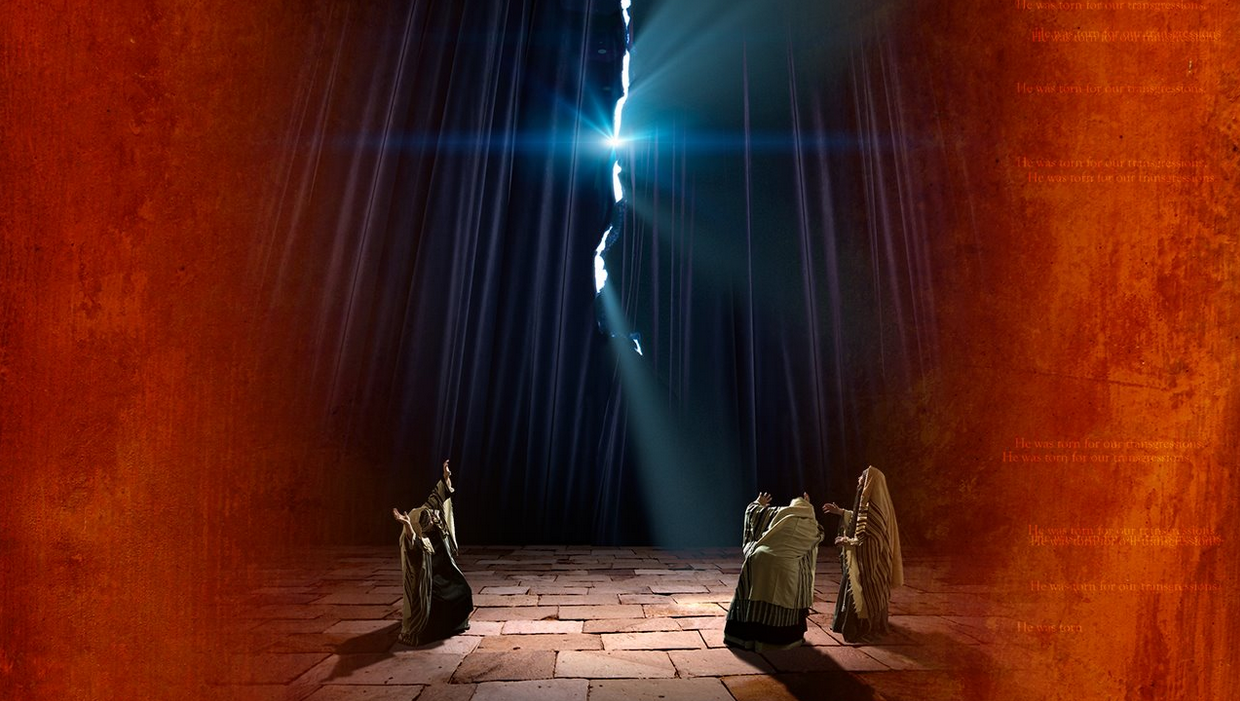
At the moment Jesus died, the temple veil was torn from top to bottom, declaring that the way to God had been opened through His sacrifice.
The Earth Shook Beneath the Cross
Then the ground began to move. Matthew says the earth quaked and the rocks split. The ground beneath Calvary trembled as the Son of God yielded up His spirit. Creation was not indifferent to the death of its Creator.
The rocks split open. The earth shook under the weight of what had just happened. The cross may have looked small from a distance — one hill outside Jerusalem, one condemned man between two criminals, one more execution under Roman rule. But heaven knew what was happening. The earth knew.
The covenant promises were being fulfilled. The law's accusations were being answered. The debt of sin was being paid in full. What began in Eden, what was promised through prophets, what was pictured in sacrifices, was now reaching its appointed hour.
The earthquake was a sign that the death of Jesus was not merely personal. It was cosmic. The world was shaking because redemption had touched the foundations of creation.
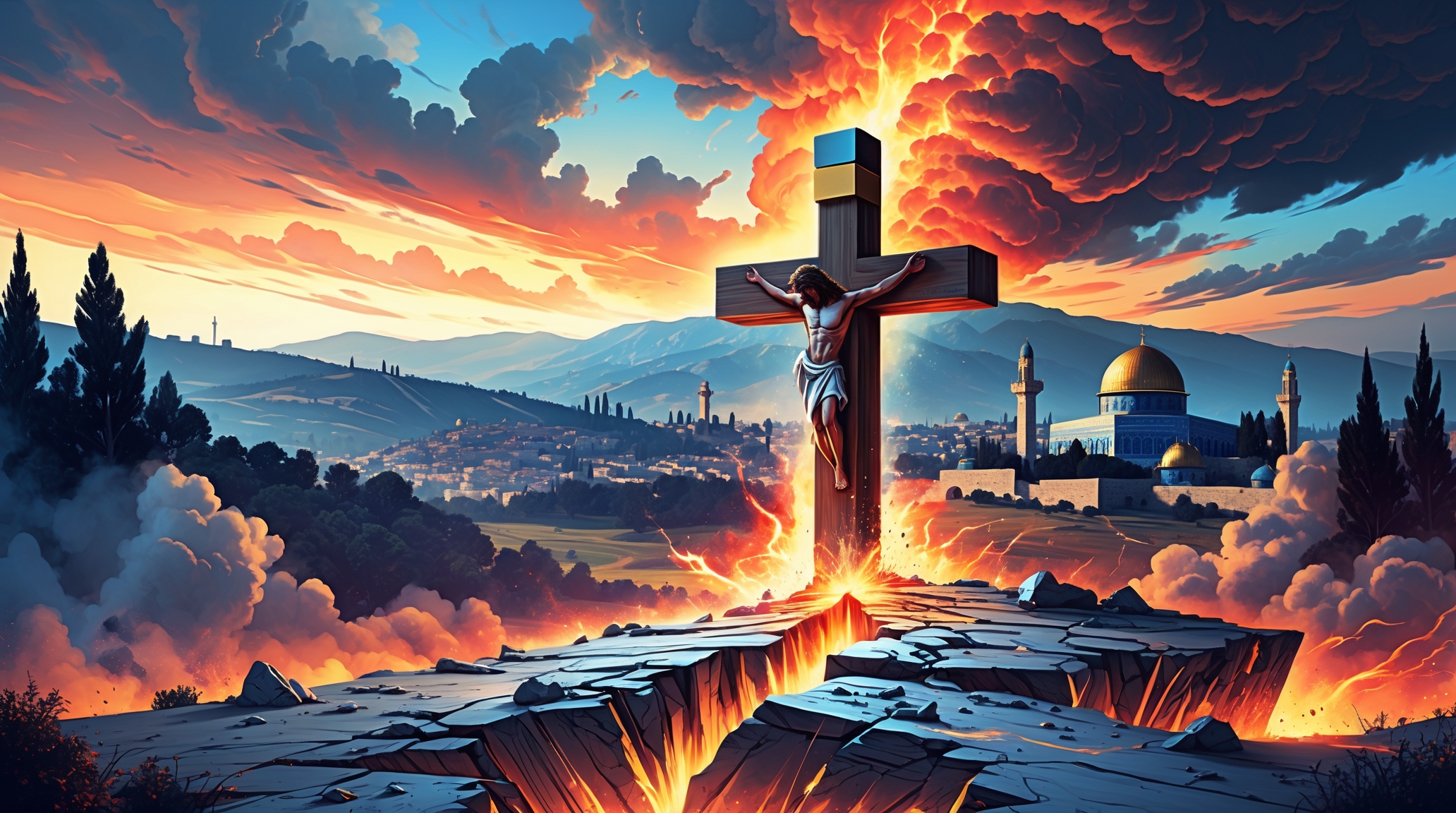
When Jesus gave up His spirit, the earth shook beneath the cross, testifying that redemption had just changed everything.
The Tombs Were Opened
Then Matthew records one of the most mysterious and breathtaking signs in the crucifixion account. The tombs were opened.
"And the graves were opened; and many bodies of the saints who had fallen asleep were raised; and coming out of the graves after His resurrection, they went into the holy city and appeared to many." — Matthew 27:52–53, NKJV
Death had ruled since Eden. Every grave preached the same message: sin brings death. Every sealed tomb testified that humanity could not escape the curse by strength, wisdom, wealth, or religion.
But when Jesus died, graves opened. Matthew is careful with the timing — the tombs were opened, and after Jesus' resurrection, many saints who had fallen asleep appeared in the holy city. Their appearance was a sign, a preview, a witness that death's dominion had been broken by the victory of Christ.
This was not the final resurrection of all believers. It was a glimpse of what the cross and empty tomb had secured. Jesus' victory was not only over guilt — it was over the grave. He did not die merely to make people more religious. He died and rose again to bring dead people into life.
The opened tombs whispered what Easter morning would soon shout. Death would not have the last word.
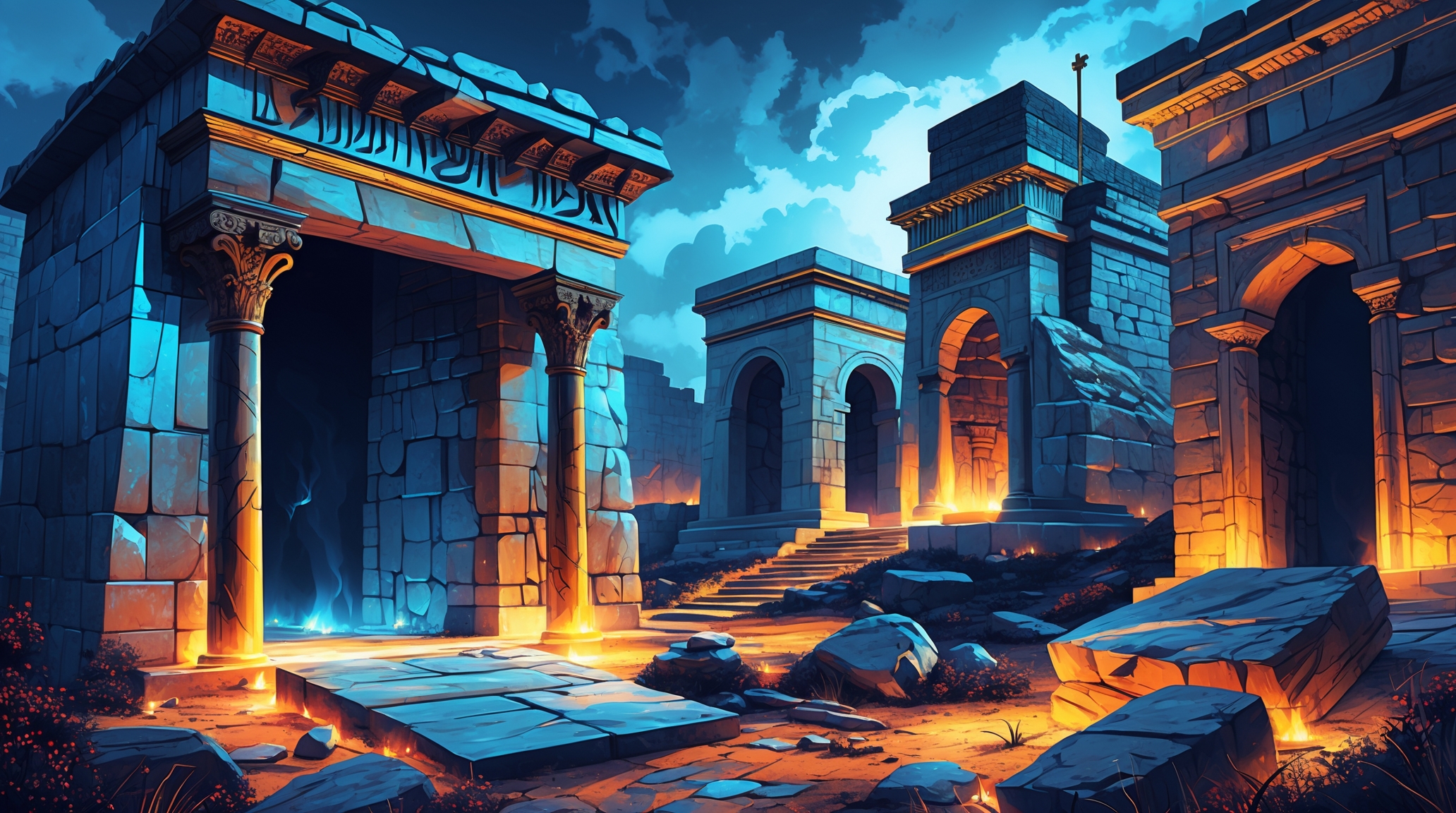
The opened tombs stood as a witness that death had begun to lose its hold, pointing to the resurrection power revealed through Jesus Christ.
The Centurion Saw What Others Missed
There was a Roman centurion standing near the cross. He had likely seen crucifixion before — soldiers were trained to watch suffering without flinching. Rome did not reward softness.
But this death was different. He saw the darkness. He felt the earthquake. He watched the manner in which Jesus died. And the man assigned to guard the execution found himself confessing what many religious leaders refused to see.
"So when the centurion and those with him, who were guarding Jesus, saw the earthquake and the things that had happened, they feared greatly, saying, 'Truly this was the Son of God!'" — Matthew 27:54, NKJV
The cross revealed what human pride tried to deny. Jesus was not merely a teacher, not merely a miracle worker, not merely a condemned man caught in political pressure. He was the Son of God.
And at the moment He died, the signs around Him became witnesses. The darkness testified. The veil testified. The earth testified. The tombs testified. Even a Roman soldier testified. The One on the cross was exactly who He said He was.
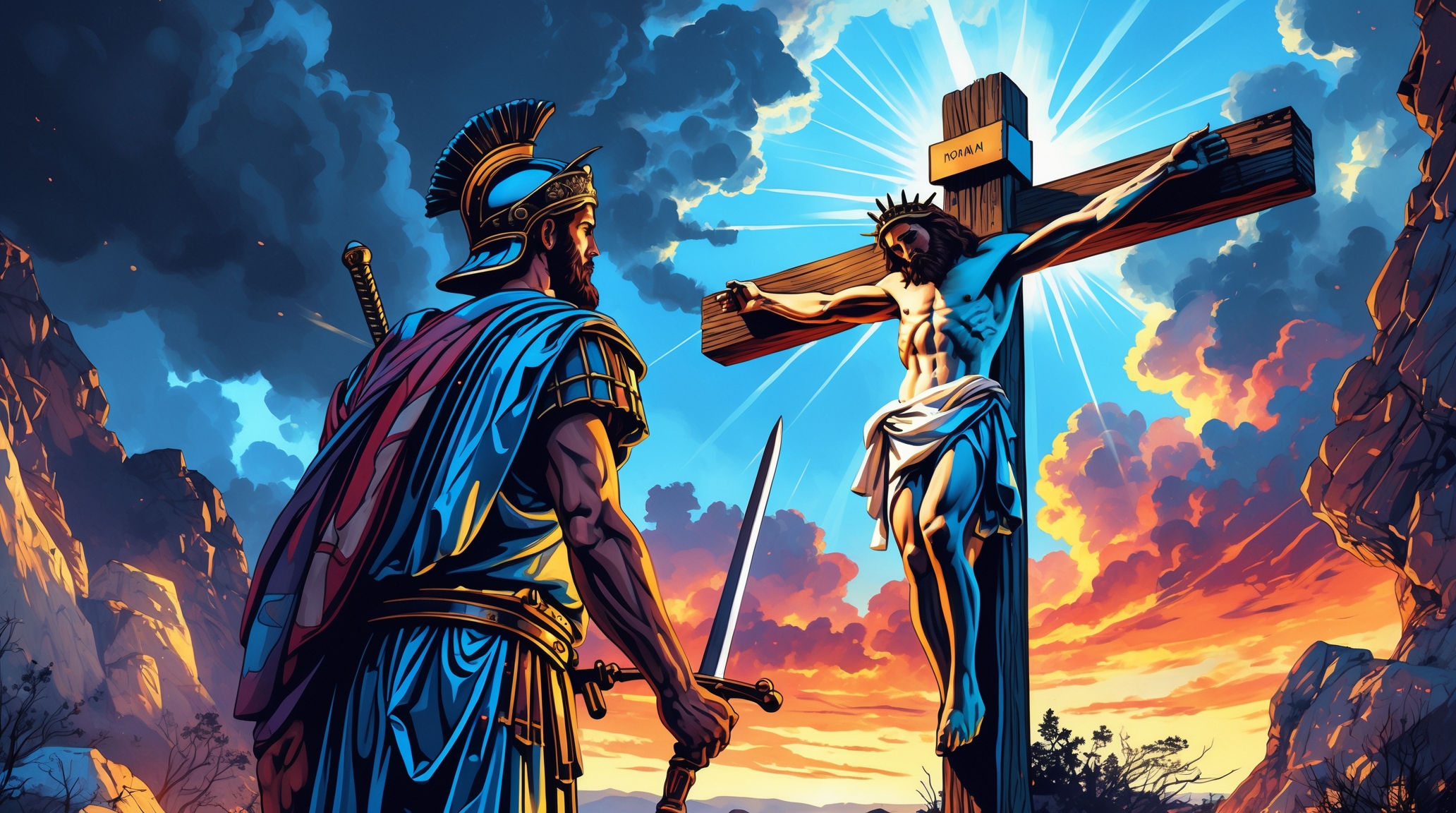
Seeing the earthquake and all that had happened, the centurion feared greatly and confessed, "Truly this was the Son of God."
What This Means Today
The signs at Jesus' death were not random miracles placed around the crucifixion story for dramatic effect. They reveal the meaning of the cross.
The darkness shows that judgment against sin was being carried. The torn veil shows that access to God was being opened. The earthquake shows that creation itself was shaken by the work of redemption. The opened tombs show that death had begun to lose its grip. And the centurion's confession shows that even hardened hearts can tremble before the truth of Christ.
This matters because the cross is not only something that happened long ago outside Jerusalem. It is the place where your guilt can be forgiven. It is the place where your separation from God can end. It is the place where death no longer gets the final word over those who belong to Jesus.
When Jesus said, "It is finished," He was not announcing defeat. He was declaring completion. The sacrifice was complete. The debt was paid. The way was opened.
Key Takeaways
- The darkness at the cross points to the weight of judgment Jesus bore for sinners.
- The torn temple veil shows that Jesus opened the way into the presence of God.
- The earthquake reveals the cosmic significance of Christ's death.
- The opened tombs point forward to resurrection life through Jesus.
- The centurion's confession shows that the signs surrounding the cross testified to who Jesus truly is.
The cross was not the moment Jesus lost. It was the moment sin, death, and separation began to fall.
Final Thought
The death of Jesus was not the end of hope. It was the hour when heaven moved, earth shook, the veil tore, graves opened, and the mercy of God came rushing toward sinners through the blood of His Son.
So the next time you think about the cross, do not only see suffering. See victory. See access. See forgiveness. See the Son of God giving His life so the lost could come home.
Support the Show
If this story moved you, consider supporting Kingdom Kutz Media so we can keep bringing scripture to life
Follow Kingdom Kutz Media on social media:


Comments
Post a Comment